
Pem's Conflict with the Church
City of GodA priest's theological honesty collides with institutional authority, leading to his formal examiners, deconsecration, and resignation.
increasing Bearing strength in each event
 decreasing
Bearing strength in each eventdecreasingA Sermon That Asks Too Much
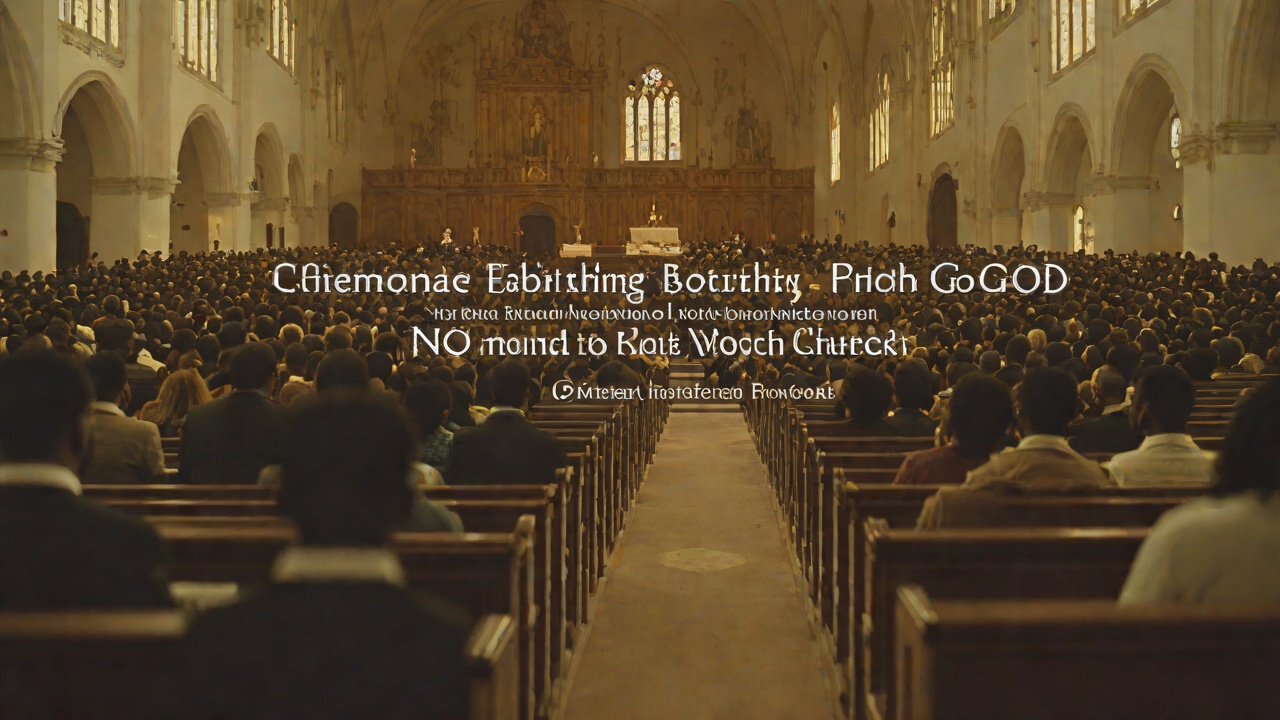
A Sermon That Asks Too Much
Context
Pem preaches to a packed church in Newark and asks what commensurate Christian response could have existed for the Holocaust. He suggests mass exile, lifelong dereliction, and a clearing of lands around the death camps. He admits he does not know the answer but would recognize it if he saw it.
Significance
The sermon, later called the doozy, is the event that pushes the bishop toward formal action. Pem is not questioning faith in a private sense; he is indicting the entire institutional Christian response to the murder of Europe's Jews. The question is so raw that it cannot be contained within diocesan politics.
Consequences
Word of the sermon reaches the bishop, and the machinery of examination begins. Pem's own church becomes yet another institution he must test and ultimately reject.
The Bishop's Lunchtime Caution
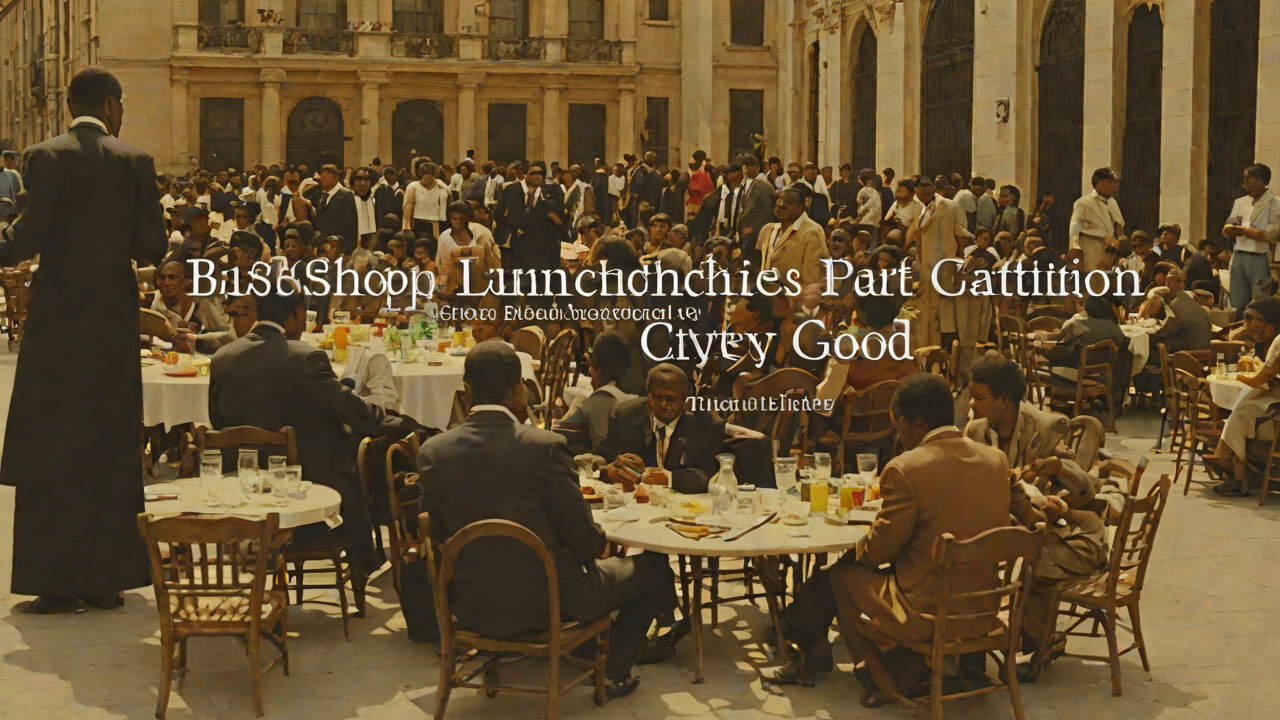
The Bishop's Lunchtime Caution
Context
The bishop, an old Yale friend, tells Pem that a tone has crept in, a pride of intellect, and that something is not right. He warns that self-destruction can start small and gather momentum until the whole man comes apart. Pem meets the caution with jokes and a request for espresso.
Significance
The lunch is a classic conflict between the individual conscience and the corporate institution. The bishop genuinely cares but cannot accept Pem's absolutism. He represents the church's need for order in a century of collapsing belief.
Consequences
Pem understands that he cannot make the church see his questions as faithful. Their friendship becomes strained, and the formal proceedings begin.
Heresy as a Legal Concept
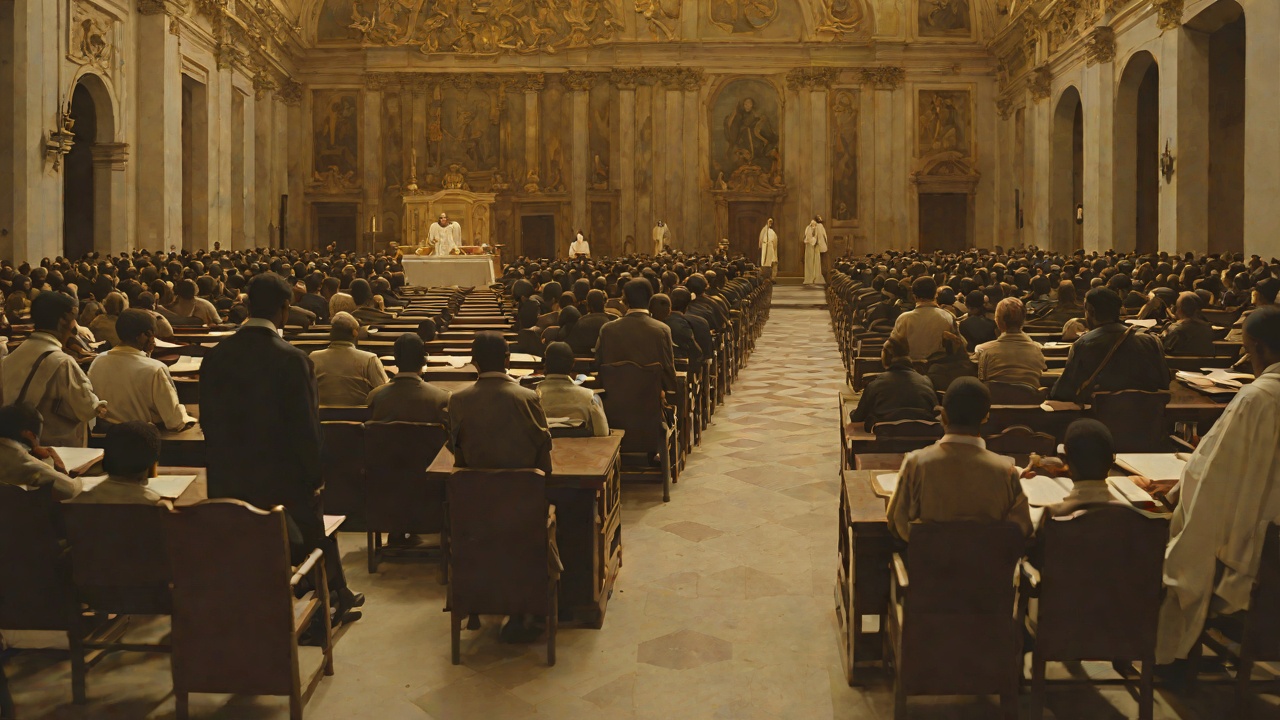
Heresy as a Legal Concept
Context
In his remarks to the bishop's examiners, Pem argues that heresy is only a legal concept, like being expelled from a co-op for playing the piano after ten. He goes on to discuss original sin, the Fall, Augustine, Gnosticism, and the political creation of Christianity. He ends by calling for parity between faith and intellect.
Significance
The speech restages the ancient conflict between prophetic charisma and institutional rule. Pem refuses to accept the intellectual's role as a mere appendage to revelation. His learning is real, and it is the very thing the church has decided it does not want.
Consequences
The examiners are alarmed but do not immediately defrock him. He remains suspended, awaiting a decision that takes the form of deconsecration and unassigned status.
The Church Cuts Him Loose
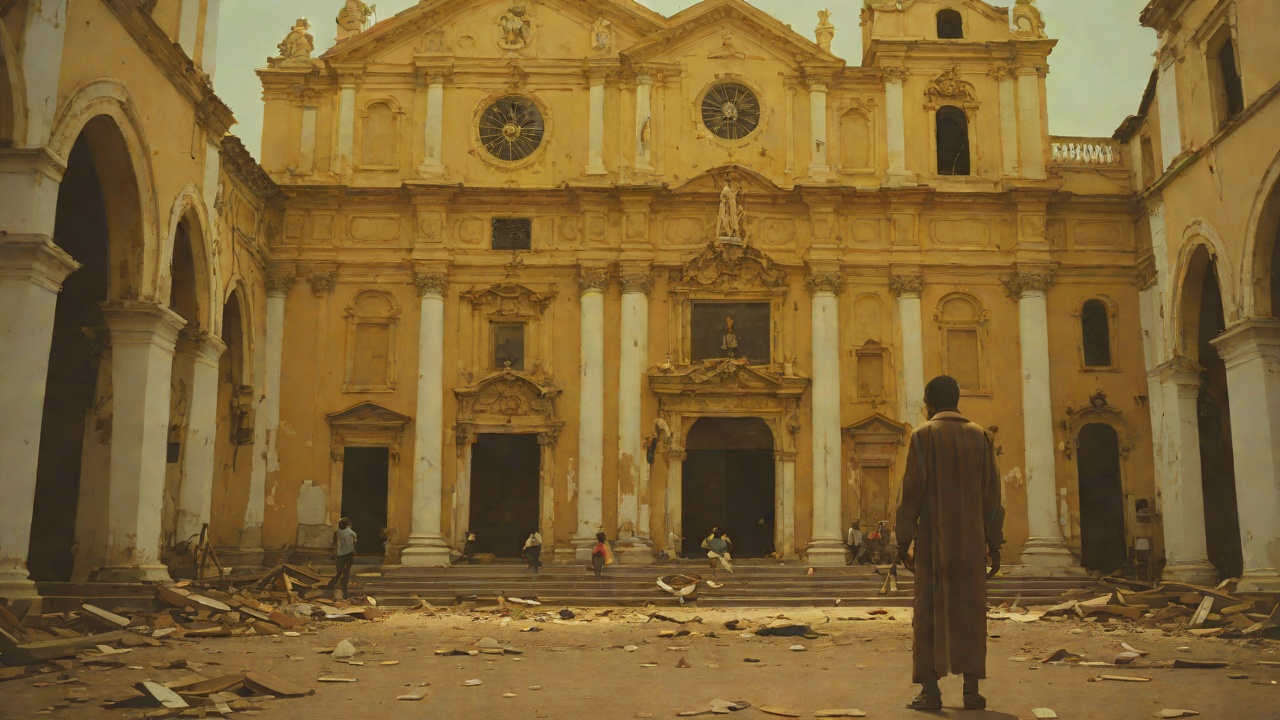
The Church Cuts Him Loose
Context
When St. Timothy's is deconsecrated, Pem is given no new assignment. He begins working at a hospice on Roosevelt Island, doing dirty work for the indigent dying as a self-imposed penance. The situation clarifies the church's ultimate response: not a trial but an administrative shunning.
Significance
The deconsecration is the institutional expression of excommunication without the word. Pem's church no longer wants him, and he no longer knows why he wants it. The hospice becomes a place where he can be useful without pretending to certainty.
Consequences
In the hospice, Pem begins to think of himself as a detective of meaning, waiting for a revelation that might arrive even in the moans of the dying. The stalled career becomes a preparation for the sign.
Priesthood into Layman
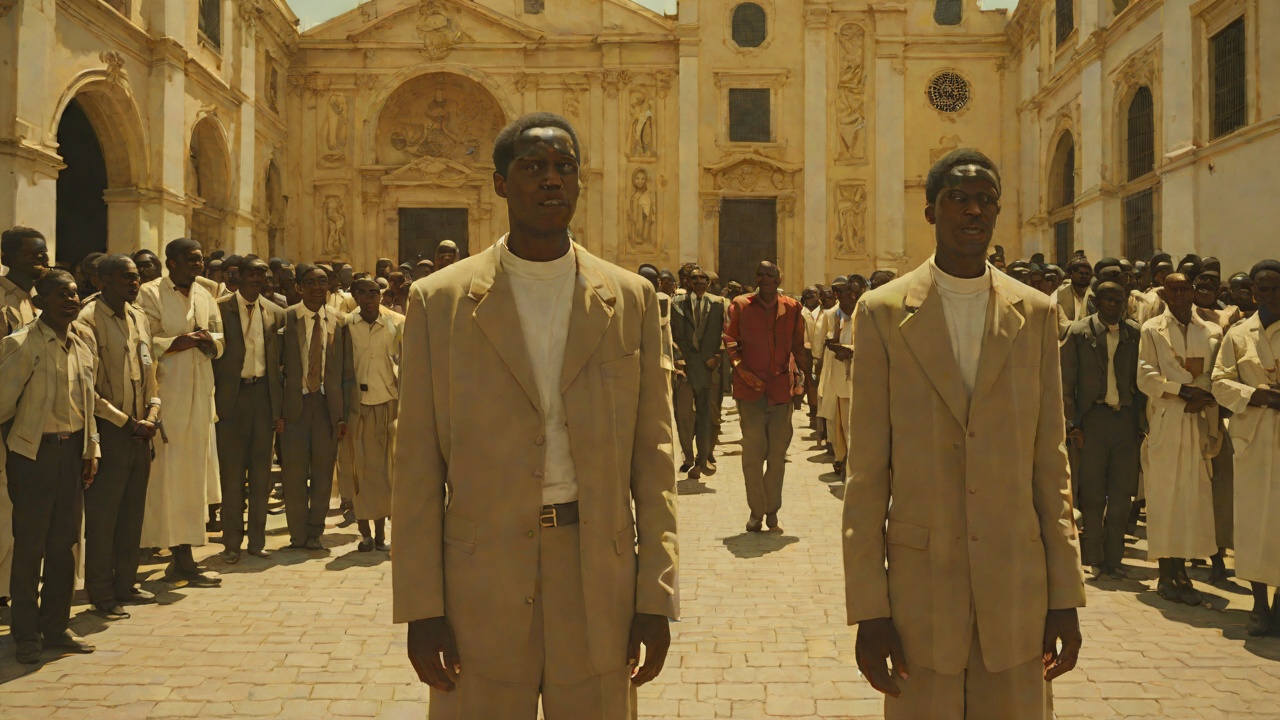
Priesthood into Layman
Context
Pem formally resigns, telling Everett that he has exchanged letters with the church and been decertified. He jokes about vestments and theological books filling his closet. He still calls himself a Christian in some ways, but he has given up the Trinity, not God.
Significance
The conflict ends with a birth rather than a death: the secular self is not triumphant, only undressed. Pem's loss of the priestly credential forces him to face the moral nakedness of a man without a collar. He must now learn how to express concern for another human being without institutional cover.
Consequences
He turns to Judaism and to Sarah, finding in the EJ the intellectual freedom the Episcopal Church denied him. The church's conflict becomes the prologue to his conversion.
before the cross theft, during Pem's guest stint in Newark
after the Newark sermon, when the bishop meets Pem at a restaurant
when Pem faces a panel of bishop's examiners
after St. Timothy's is deconsecrated and Pem is left unassigned
when Pem resigns from the priesthood and becomes Citizen Pemberton
